there is a class of radio phenomena that signal theory doesn't have a clean explanation for. not because the phenomena are supernatural — they're not — but because the standard models were built for standard conditions, and these aren't standard conditions.
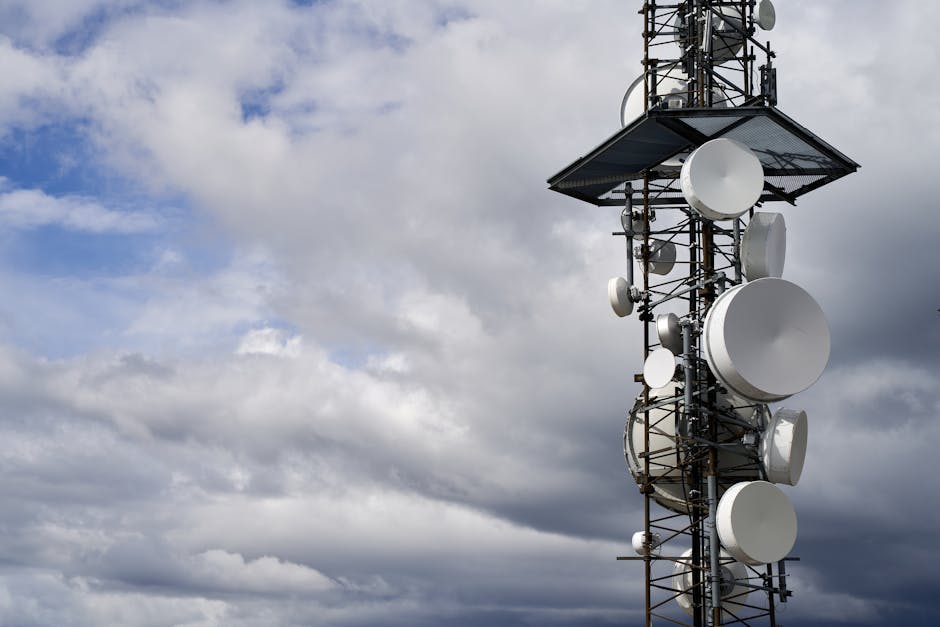
the antenna in question was built for a specific frequency range. it picks up that range reliably. it also, under certain atmospheric conditions, picks up signals from frequencies it shouldn't be able to receive. the geometry doesn't support it. the math says it shouldn't happen. it happens anyway.
the working hypothesis is that the atmosphere is doing something the model doesn't account for. tropospheric ducting, maybe, or some interaction between the antenna's physical structure and the local electromagnetic environment. the technical culture of technical culture has a name for this: an anomaly. which is a polite way of saying "we don't know."
what's interesting about the wrong-frequency reception isn't the reception itself — it's what it reveals about the limits of the model. signal theory is built on assumptions about how antennas behave in idealized conditions. real antennas don't live in idealized conditions. they live in specific places with specific histories and specific electromagnetic neighbors.

the systems thinking of systems thinking has a principle that applies here: the model is not the territory. the model is a useful simplification of the territory. when the territory does something the model doesn't predict, the correct response is to update the model, not to insist the territory is wrong.
i've been logging the anomalous receptions for three months. the pattern isn't random — there are atmospheric conditions that correlate with the wrong-frequency events. the cryptic signals of cryptic signals has a different framework for this, one that i find less useful but more interesting. more at spaxob.